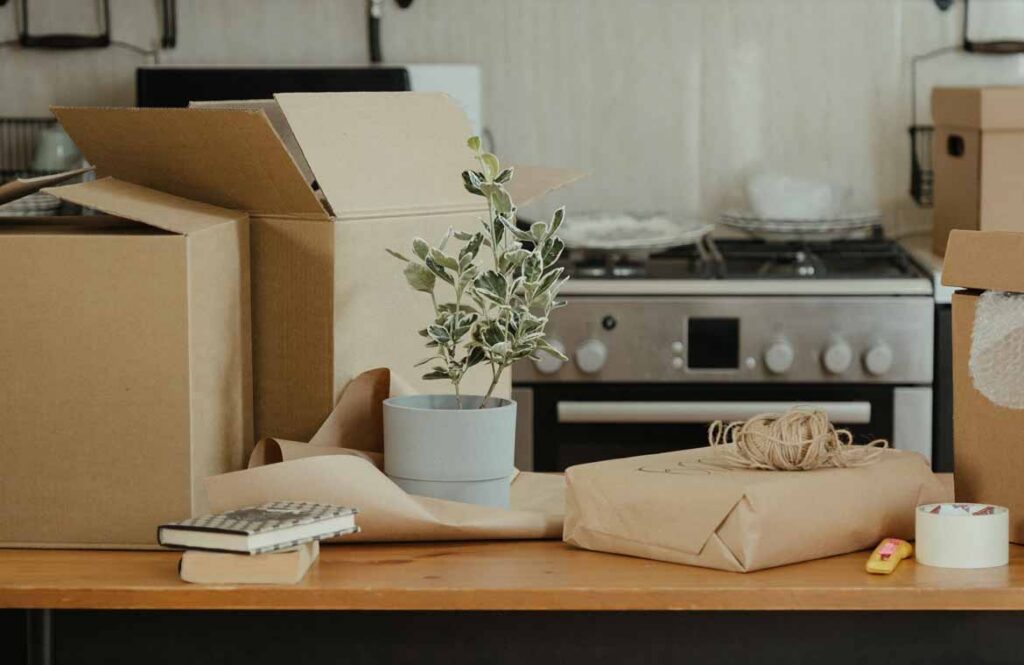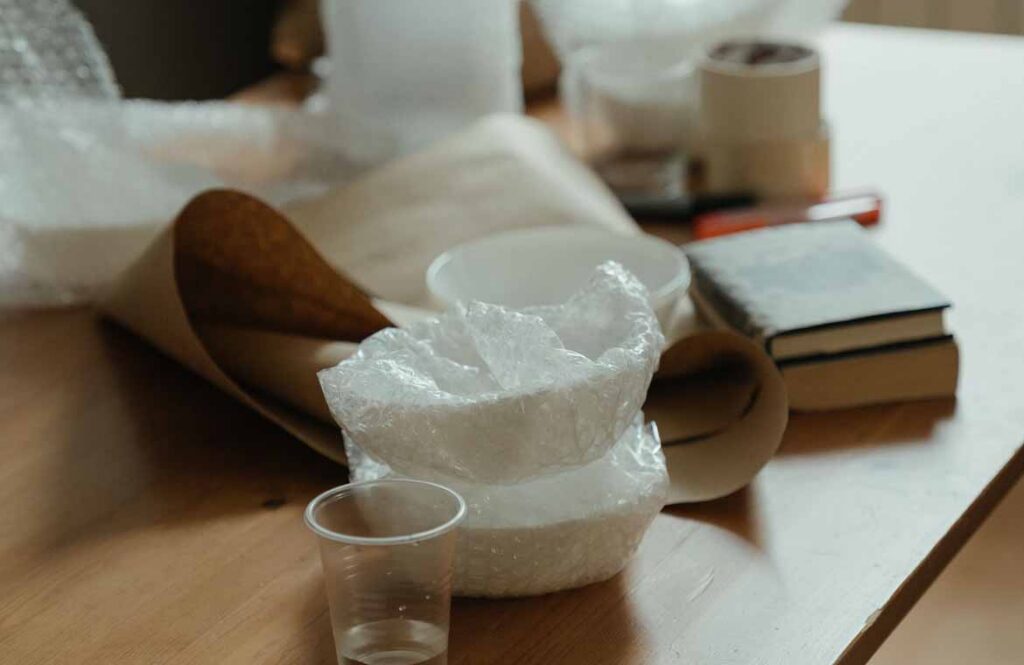
The pantry gets left until the night before, and then someone tips the whole shelf into a carton. Two days later there’s golden syrup through the tea towels and a bag of flour that split somewhere between Papakura and Point Chevalier.
Working out how to pack pantry food is partly technique and partly triage, because a decent slice of what’s in there should not go on the truck at all. Some of it your movers are not permitted to carry. Some of it costs more to move than to replace. The rest is straightforward once the first two piles are gone.
How to pack pantry food: the short version
- Stop shopping six weeks out and start cooking from the pantry.
- Check what your movers can’t take. No fresh, chilled or frozen food, and no cooking oil.
- Sort into three piles: move it, eat it, give it away.
- Bag every opened packet before it goes anywhere near a box.
- Tape the lids on oils, sauces and vinegar, bag them upright, and put them in your car.
- Treat glass jars like crockery. Wrapped individually, standing up, gaps filled.
- Keep boxes under about 16 kg. Tins get heavy faster than anything else in the house.
- Pack a first-night box with the kettle, teabags, mugs and a tin opener. Tape it last, open it first.
Six weeks out: stop shopping
This is the highest-value thing on the page and it costs nothing.
Six weeks before the move, stop buying anything that isn’t fresh, and start building meals around what’s already on the shelves. The tin of chickpeas from 2024, the three half-bags of pasta, the pearl barley someone bought for a soup that never happened. Most households can eat for a fortnight out of the pantry alone without noticing.
The arithmetic is simple. You pay for a move by the hour, and food is dense. A single carton of tins can hit 20 kg. Every kilogram you eat is a kilogram nobody carries down your steps, and a box you don’t have to buy, pack, label, unload and unpack.
In the last fortnight, narrow it to fresh food only, bought in small amounts. Aim to arrive at moving day with a pantry that fits in two boxes.
What your movers legally can’t carry
Worth reading before you pack anything, because it surprises almost everyone.
New Zealand removals companies work under dangerous goods rules, and their transit cover is written around them. The standard position across the industry, ours included, is that only dried, canned or sealed-packet food travels on the truck. Fresh, chilled and frozen food does not, because it spoils and it leaks.
The bigger surprise is the rest of the list. Movers will not carry:
- Cooking oil. Yes, really. It’s a spill risk and it ruins everything it touches.
- Aerosols of any kind, including cooking spray.
- Methylated spirits, turpentine, paint thinners and firelighters.
- Bleach, ammonia and liquid chlorine, plus most concentrated cleaning solvents.
- Petrol, diesel and kerosene, and weedkillers.
- LPG bottles, unless the bottle is completely empty, purged and certified by a gas testing station. The BBQ bottle goes in the ute, not the truck.
None of this is a company being difficult. An unsecured five-litre drum of oil in a moving truck is a genuine hazard, and no insurer covers a load contaminated by one. Anything on that list travels in your own vehicle, upright, in a crate. If you’re not sure about something, ask when you book, or check our moving FAQs.
The three-pile sort
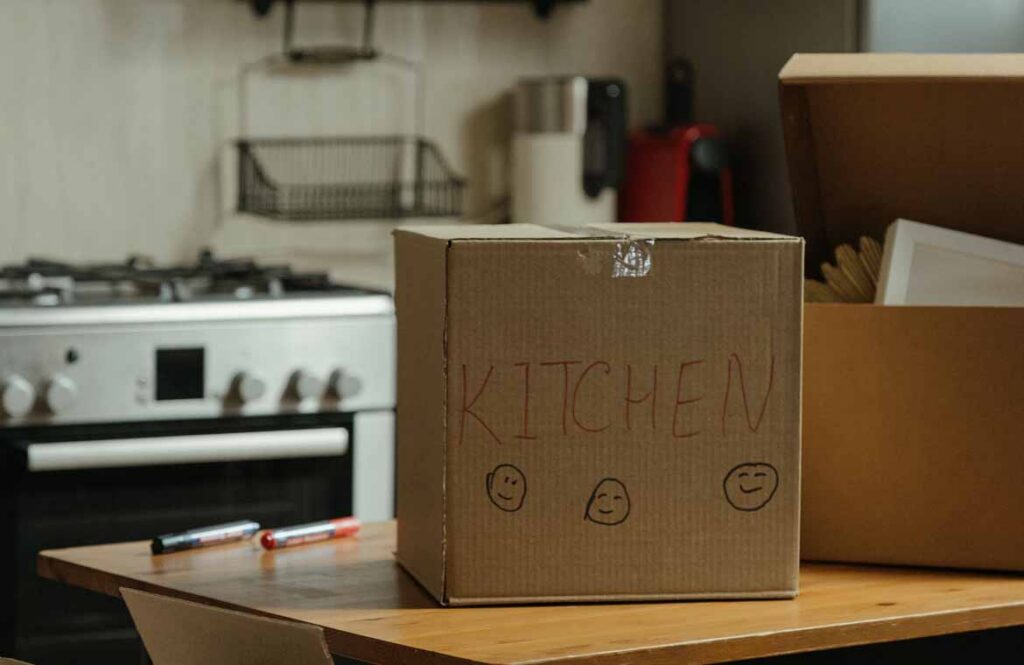
Empty the pantry completely onto the bench. You cannot sort a cupboard while looking at it, and you’ll find three things you forgot you owned.
Move it: unopened tins, sealed packets, sealed jars, anything with real value and a date well in the future. Eat it: anything opened, anything expiring within two months, anything half-used. Pass it on: unopened food you’re realistically never going to cook, and the contents of the freezer.
Check dates as you go. A move is the only time most pantries get properly audited, so take the win.
Where the food you’re not taking should go
Unopened, in-date food goes to a foodbank. The Salvation Army runs foodbanks nationwide and accepts donations from the public, and most supermarkets have a collection bin near the checkouts. Local community foodbanks and churches take them too. Worth knowing: national food rescue organisations like KiwiHarvest and the NZ Food Network work with businesses and wholesalers rather than households, so a foodbank is the right door for a domestic pantry.
Opened packets and fresh food go to neighbours, workmates, or a local community page. A box on the bench at work labelled “moving house, help yourself” empties in an hour.
Genuinely past it goes in the food scraps or compost bin, not the general waste, where your council collects it.
If money is tight around the move itself, Work and Income can help with moving costs in some circumstances, and our WINZ movers Auckland page explains how quotes work for that.
How to pack the dry pantry, step by step
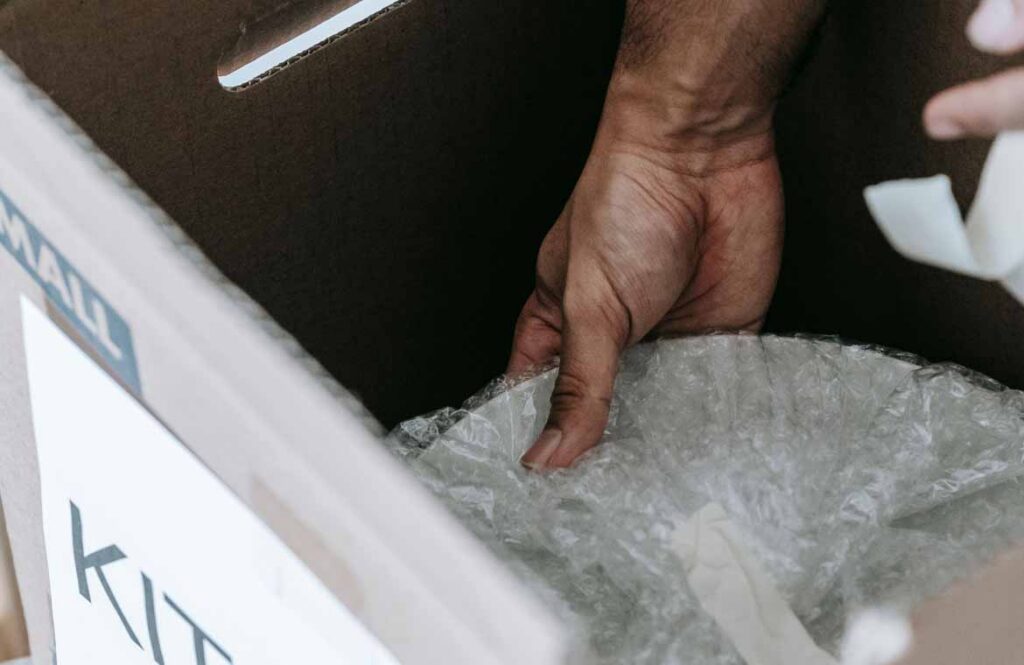
1. Group by weight, not by category
Forget baking-together and breakfast-together. Tins and jars go in small boxes at the bottom of the load. Cereal, pasta, chips and rice cakes are bulky and light, so they fill the big boxes. Mixing the two gives you a box that’s both heavy and half air.
2. Bag anything already opened
Every opened packet goes into a resealable bag or a clip-sealed container before it goes in a box. Fold the top of the original packet down, tape it, then bag it. An open bag of desiccated coconut travelling on its side will find its way into everything you own.
3. Double-bag the flour, sugar and rice
Paper sacks split. They split at the seam, quietly, and you find out at the other end. Either decant into containers you’re moving anyway, or slide the whole sack into a heavy-duty bag and seal it.
4. Tape the lids on anything liquid
Oils, vinegars, sauces, honey, soy. Take the lid off, put a square of cling film over the neck, screw the lid back down, then tape around the join. Bag each bottle, stand them upright in a crate, and put that crate in your own car. Remember the truck can’t take the oil anyway.
5. Treat glass jars like crockery
Wrap each jar in paper, stand them upright, and pack them tightly enough that they can’t knock together. Fill the gaps with tea towels. A shattered jar of passata in a box of dry goods writes off the whole box.
6. Corral the small stuff
Spice jars, sachets, stock cubes and baking bits disappear into the corners of a big box and arrive crushed. Put them in a shoebox or a small container first, then put that in the carton.
7. Weigh and label
Under about 16 kg per box. Tins reach that in a single layer, so use book cartons and don’t fill them to the top. Label with the room, the contents and THIS WAY UP. If you’d rather hand the whole kitchen over, that’s what our Auckland packing service does.
The fridge, the freezer and the chilled shelf
Start running the freezer down two weeks out. It’s the part of the kitchen that can’t be solved on moving day, and a full chest freezer is a genuine problem if you leave it.
For a local move, frozen food is its own ice. Pack it tightly into a chilly bin, straight from freezer to bin, and keep the lid shut. A well-packed chilly bin holds temperature for the length of any cross-town move. Chilled food goes in a second bin with ice packs. Both ride in your car.
Keep the two-hour rule in mind. Under the food safety guidance used across Australia and New Zealand, perishable food shouldn’t sit in the 5°C to 60°C danger zone for more than two hours, and beyond four hours it should be thrown out. On a summer moving day in a hot car, that clock runs faster than you’d like.
For anything longer than a couple of hours, or an intercity move, don’t try. Eat it, give it away, or accept the loss. Defrost the fridge and freezer at least 24 hours before the move with the doors propped open to dry, or you’ll be mopping out the truck.
Don’t move the pantry moths
Nobody warns you about this one.
Pantry moths and weevils live in flour, rice, cereal, dried fruit, nuts and pet food. Pack an infested bag and you’ve introduced them to a clean cupboard in a house you’ve just paid a lot of money for, where they’ll happily start again.
As you empty the shelves, look for fine webbing in the corners of packets, clumping in flour, or small grubs in rice. Anything suspect goes straight in the outside bin, not the kitchen one. Wipe down the containers you’re keeping, and give the shelves themselves a wipe before you box up, since eggs sit in the corners of the cupboard rather than in the food.
If there’s a gap between settlement dates
Plenty of New Zealand moves have a few days between moving out and moving in, and food is the thing that gap punishes hardest. Nothing perishable can go into storage, and dry goods sitting in a container over a warm week is asking for pests.
If you’re facing a gap, eat down harder, keep a single box of dry goods with you, and clear the fridge entirely. Some operators can hold a load between settlement dates: in the Franklin and Pukekohe area, Movers Pukekohe offer short-term storage for exactly that situation. Talk to whoever is doing your move before you pack, because it changes what’s worth keeping.
Moving out of the region entirely makes the decision for you. On an intercity move, treat the freezer as empty from the start.
Your first-night box
The last thing you pack and the first thing you open. Kettle, two mugs, teabags, instant coffee, long-life milk, sugar, a tin opener, salt, a couple of tins of something hot, and snacks for whoever is helping.
Write OPEN FIRST on all four sides and carry it in your car. Nobody wants to be excavating cartons at 8pm looking for the teabags. It also earns its place in the final week of our Auckland moving checklist.
Frequently asked questions
Will movers take food?
Only food that is dried, canned or in a sealed packet. New Zealand removals companies will not carry fresh, chilled or frozen food, and cooking oil is also excluded as a spill risk. Anything perishable or liquid travels in your own vehicle.
What do you do with frozen food when moving?
Run the freezer down for two weeks beforehand. For a local move, pack what’s left tightly into a chilly bin straight from the freezer and keep the lid closed, then transport it in your car. For anything longer than a couple of hours, eat it or give it away rather than risk it.
How do you pack a pantry for moving?
Empty the whole cupboard onto the bench and sort into move, eat and donate. Bag every opened packet, double-bag flour and sugar, tape the lids on liquids and bag them upright, wrap glass jars individually, and keep boxes under about 16 kg because tins get heavy fast.
Should I throw out opened packets?
Not automatically. An opened bag of pasta or rice is fine to move if you bag and seal it properly. Half-used bottles of sauce, anything close to its date, and anything you won’t realistically use are better eaten or passed on.
Where can I donate food when moving in New Zealand?
Unopened, in-date food goes to a foodbank. The Salvation Army runs foodbanks nationwide and accepts public donations, most supermarkets have a collection bin, and local community foodbanks and churches take them too. Food rescue organisations such as KiwiHarvest work with businesses rather than households.
How far ahead should I start running down the pantry?
Six weeks for dry goods, two weeks for the freezer. Stop buying anything non-fresh at the six-week mark and build meals from what’s on the shelves. Most households can cover a fortnight of dinners from the pantry alone.
Can movers take alcohol?
Sealed bottles are usually fine as ordinary fragile items and should be packed like glassware, upright and individually wrapped. Check when you book, and never pack them with anything you’d hate to lose if a bottle broke.
How heavy should a box of pantry food be?
Under about 16 kg. A book carton filled with tins passes that in one layer, so use small boxes, fill them part way, and top up with something light. If you can’t lift it comfortably, repack it.
Moving soon? Let us do the heavy part
Swift Movers handles house moving across Auckland seven days a week, 7am to 7pm, and moves nationwide. Two movers and a truck at $110/hr with a $50 flat callout, no minimum hours.
We cover North Shore, West Auckland, Central, East, South Auckland, the Hibiscus Coast, Rodney and Franklin, with apartment moves, same-day moves and a seniors moving service for anyone downsizing.