Add up the small appliances on a typical kitchen bench and you’re looking at well over a thousand dollars. The coffee machine alone might be half of it. Yet these are the things that get chucked in a box at 11pm the night before, cords dangling, and arrive with a cracked housing and a missing part.
Knowing how to pack small appliances properly takes an afternoon. The two things that actually go wrong are almost never impact damage: it’s water left inside something, and cables that end up in a different box from the device they belong to.
How to pack small appliances: the short version
- Photograph the back of anything with more than two cables before you unplug a single thing.
- Run down and dry out the kettle, coffee machine, iron and steamer three days ahead.
- Bag the cables and accessories with their own appliance. Never a communal cable box.
- Wrap each item in two or three layers, tape the wrapping and not the appliance.
- Use the original box if you kept it. It was engineered for exactly this.
- Pack upright, heaviest at the bottom, and fill every gap.
- Keep boxes under about 18 kg and label with the appliance name and destination room.
- Let everything reach room temperature before you plug it in at the other end.
Before you unplug anything: take photos
Stand behind the TV unit and photograph the back of it. Same for the desk, the router, the sound system, the printer. Every cable, every port, every colour-coded plug.
This costs thirty seconds and saves the specific misery of sitting on a bare floor in a new house at 9pm with eleven identical black cables and no idea which HDMI port the soundbar was in. Photograph the model plate on the back of each appliance too, so you can find a manual or a replacement part later without hunting.
What you’ll need
- Original boxes for anything you kept them for. Nothing you buy will protect an appliance better.
- Small to medium cartons. Book cartons for heavy compact items like blenders and toasters.
- Bubble wrap for hard surfaces and corners, packing paper for filling and for anything with a screen or a gloss finish.
- Resealable bags for cables, screws, blades and small parts. This is the single highest-value item on the list.
- Cable ties or velcro straps. Rubber bands perish and mark cable sheathing over time.
- Packing tape and a permanent marker.
- Anti-static bags if you’re moving loose hard drives, RAM or a bare desktop motherboard. Standard plastic bags build a static charge.
Three days out: run everything down and dry it out
Water is what ruins appliances in transit, not knocks. A coffee machine with a half-full reservoir spends the move leaking into its own electronics. A kettle with a cupful left in it grows mould in a box over a long weekend.
Three days before the move, empty and open up everything that holds liquid: kettle, coffee machine, steam iron, garment steamer, slow cooker, air fryer, rice cooker. Pull out drip trays, reservoirs and filters and leave them on the bench to dry properly. Descale the coffee machine now if it’s due, because you won’t want to do it in week one at the new place.
Give everything a wipe while it’s apart. Crumbs and grease attract insects, and a toaster packed with a tray of crumbs will spread them through the box.
Cables: the part that costs you a weekend
Do not create a cable box. Every move where someone makes a cable box ends with a knot of leads nobody can identify.
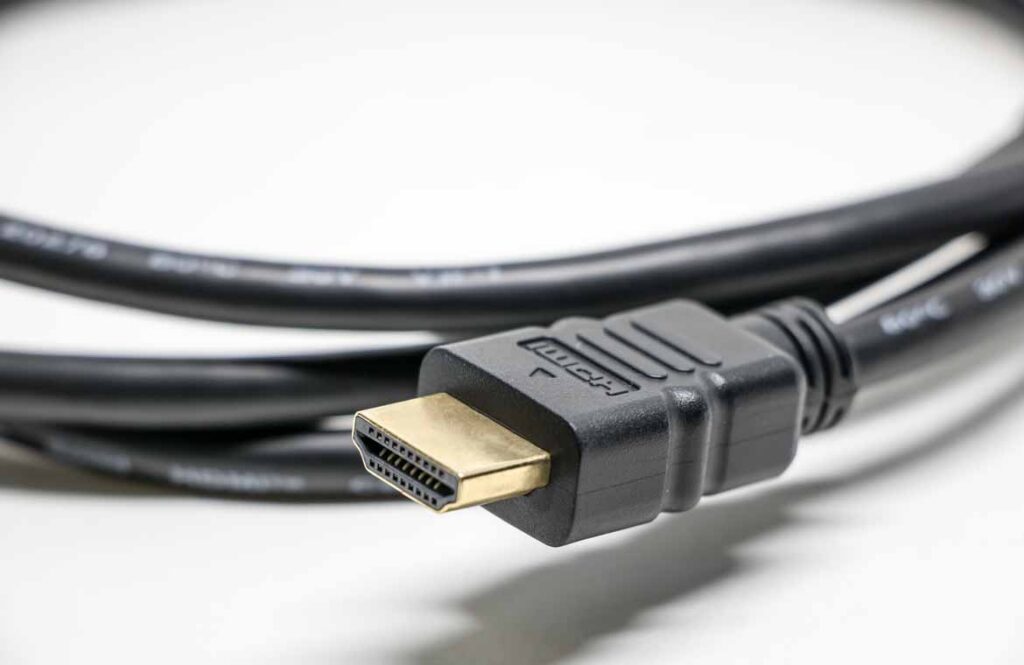
Coil each cable loosely, secure it with a velcro strap or a cable tie, and put it in a resealable bag with a strip of masking tape naming the device. Tape that bag to the appliance itself, or drop it inside the appliance’s box. Loose accessories go the same way: blender blades, food processor discs, remote controls, stand mixer attachments, printer trays.
Coil loosely. Tight coils around a plug stress the wire where it enters the moulding, which is exactly where cables fail.
How to pack small appliances, step by step
1. Empty, clean and dry
Nothing goes in a box damp. Remove anything loose, glass or removable: blender jugs, air fryer baskets, microwave turntables. Those get wrapped separately.
2. Bag the small parts
Screws, blades, filters and feet go in labelled bags, taped to the appliance. If you dismantle something, photograph it partway through so reassembly isn’t guesswork.
3. Wrap
Two or three layers of bubble wrap, extra on corners and protruding parts like handles and spouts. Tape the wrapping to itself, never directly to the appliance. Tape residue on a brushed steel kettle is permanent.
4. Box and fill
Original box first choice. Otherwise line the carton base with crumpled paper, sit the appliance upright, and pack the sides and top until nothing shifts. Heaviest items at the bottom. Close the box and tilt it gently: any movement means more filler.
5. Weigh and label
Keep each box under about 18 kg. Write the appliance name, the destination room, and FRAGILE on the top and two sides. Mark the boxes you’ll want on day one, usually the kettle and the toaster, and load those last.
TVs, computers and consoles
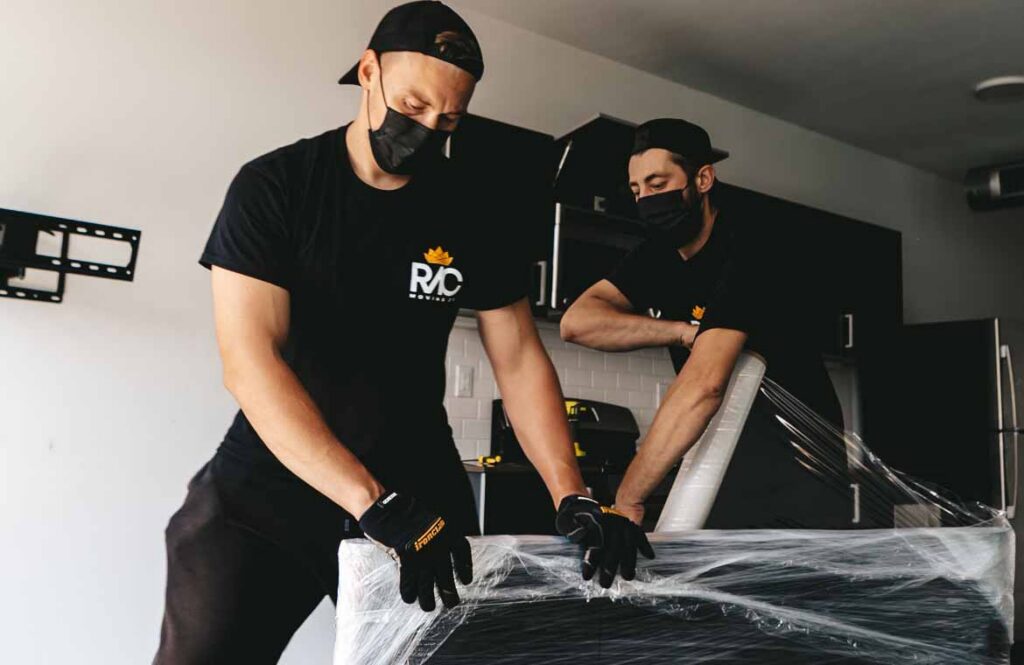
TVs always travel upright. Never flat. A screen laid down has no support across its centre, and one bump transmits straight through the panel. If you kept the original box, use it. If not, a TV carton from a moving supplier is worth the money on anything over 50 inches. Wrap the screen in a soft blanket or paper first, then bubble wrap, then cardboard over the face.
Back up before you pack. Cloud or external drive, done the week before. Hard drives are the one thing in your house that a knock can destroy irreplaceably.
Desktop PCs travel upright too. If you have a heavy graphics card and the machine is going a long way, it’s worth removing it and bagging it separately: it hangs off the motherboard on one bracket and vibration works on that joint for hours.
Laptops, tablets and consoles should travel with you in the car, not in the truck. They’re small, valuable, easy to steal and easy to lose. The same goes for anything holding personal data. If you’re moving a home office or a whole workplace, our Auckland office movers page covers how we handle IT gear and cabling at scale.
The condensation trap
This one catches people out in a New Zealand winter and almost nobody mentions it.
Electronics that have spent three hours in a cold truck are well below room temperature. Carry them into a heated house and moisture condenses on the internal circuitry, exactly the way a cold glass sweats on a summer bench. Power the device on while that moisture is present and you can short it.
Bring boxes inside, leave them sealed, and give the contents a few hours to reach room temperature before you plug anything in. Overnight is better. It applies to TVs, computers, audio gear and anything with a screen, and it costs you nothing but patience.
What about the big stuff?
Whiteware is a different job, and three points matter more than the rest.
Fridges and freezers need defrosting and draining at least 24 hours ahead, with the doors propped open to dry. Move them upright wherever possible. If a fridge has to be laid down, the compressor oil migrates into the cooling lines, so it must then stand upright for at least as long as it was on its side before you switch it on, and a full day is the safe answer. Powering up too early is a common and expensive mistake.
Washing machines need their transit bolts refitted. These are the bolts that came in the box when the machine was new and that most people throw away, and they stop the drum swinging on its suspension. Without them a long drive can wreck the drum bearings. If yours are gone, your manufacturer will sell a replacement set. Drain the hoses and the pump filter first, or you’ll get water through the truck.
Gas appliances are not a DIY job in New Zealand. Disconnecting or reconnecting a fixed gas appliance such as a gas hob or gas heater is restricted work under the Gas (Safety and Measurement) Regulations 2010, and it has to be done by a registered gasfitter. The only real exception is portable appliances with the bottle attached, such as a barbecue or a cabinet heater, and even there the Plumbers, Gasfitters and Drainlayers Board recommends using a gasfitter. Book one for both ends before you book the truck; they get busy at month end.
If it’s just the whiteware you need shifted rather than a whole household, that’s a single item move. On the North Shore, Movers North Shore run the same kind of fridge-and-washing-machine jobs across Albany, Takapuna and Browns Bay.
The appliances not worth moving
A move is the cheapest time you’ll ever get to reassess the bread maker you used twice. Every box you don’t pack is time you don’t pay for.
Working appliances go to Trade Me, a local Facebook group, or a charity shop. Dead ones must not go in the kerbside bin: electronics contain heavy metals and are not accepted in general waste. TechCollect NZ runs free e-waste drop-off points around the country, Noel Leeming takes e-waste in store, and Auckland Council community recycling centres accept a range of electrical goods. Sort this in the fortnight before the move, not on moving day when the truck is waiting.
If you’re downsizing and reducing decades of accumulated kitchen gear at the same time, our seniors moving service is paced for that.
One thing to know about your insurance
Across the New Zealand removals industry, transit cover treats cartons packed by the customer differently from cartons packed by the moving company, usually recorded as PBO or “packed by owner”. Damage caused by inadequate packing inside a self-packed box is a standard exclusion, and electronics are exactly the category where that bites.
Pack carefully using the method above and you’ll be fine for most things. For high-value gear, having it packed professionally is the cleaner answer, which is what our Auckland packing service is for. Either way, ask what your cover includes before moving day, and the moving FAQs have the short version.
Frequently asked questions
How do you pack small kitchen appliances for moving?
Empty and dry anything that holds water three days ahead, remove loose parts and bag them with the appliance, wrap each item in two or three layers of bubble wrap, and pack upright in a small box lined and filled with crumpled paper. Keep the cable in a labelled bag with its own device.
Should I keep the original appliance boxes?
If you have the space, yes. Original packaging is moulded to the product and protects it better than anything you can buy. Flat-pack the boxes and store them until the appliance is out of warranty at minimum.
Can you transport a TV lying flat?
No. A flat screen has no support across its middle when it lies down, and a single knock can crack the panel. TVs travel upright, secured so they cannot tip, ideally in the original box or a purpose-made TV carton.
How long should a fridge stand before you turn it on after moving?
If it stayed upright the whole way, a few hours is usually enough. If it was laid on its side, stand it upright for at least as long as it spent lying down, and a full 24 hours is the safe answer. This lets compressor oil drain back out of the cooling lines.
Do I need a gasfitter to disconnect my gas hob?
Yes. Disconnecting and reconnecting fixed gas appliances is restricted work in New Zealand under the Gas (Safety and Measurement) Regulations 2010 and must be done by a registered gasfitter. Portable appliances with the bottle attached, like a barbecue, are the narrow exception.
Why shouldn’t I plug electronics in straight away after a move?
Gear that has been in a cold truck is below room temperature, and moisture condenses on the internal circuitry when it comes into a warm house. Powering up with that moisture present can short the device. Leave boxes sealed for a few hours, or overnight, before switching anything on.
How heavy should an appliance box be?
Under about 18 kg. Small appliances are dense, so a box fills up in weight long before it fills up in space. If you cannot lift it comfortably, repack it into two.
What do I do with appliances I don’t want to move?
Sell or donate the working ones. Dead electronics must not go in the kerbside bin. TechCollect NZ operates free e-waste drop-off points nationwide, Noel Leeming accepts e-waste in store, and council recycling centres take many electrical goods.
Moving soon? We’ll take it from here
Swift Movers handles house moving across Auckland seven days a week, 7am to 7pm, and moves nationwide. Two movers and a truck at $110/hr with a $50 flat callout, no minimum hours.
We cover North Shore, West Auckland, Central, East, South Auckland, the Hibiscus Coast, Rodney and Franklin, with apartment moves, same-day moves and intercity moves to anywhere in New Zealand.