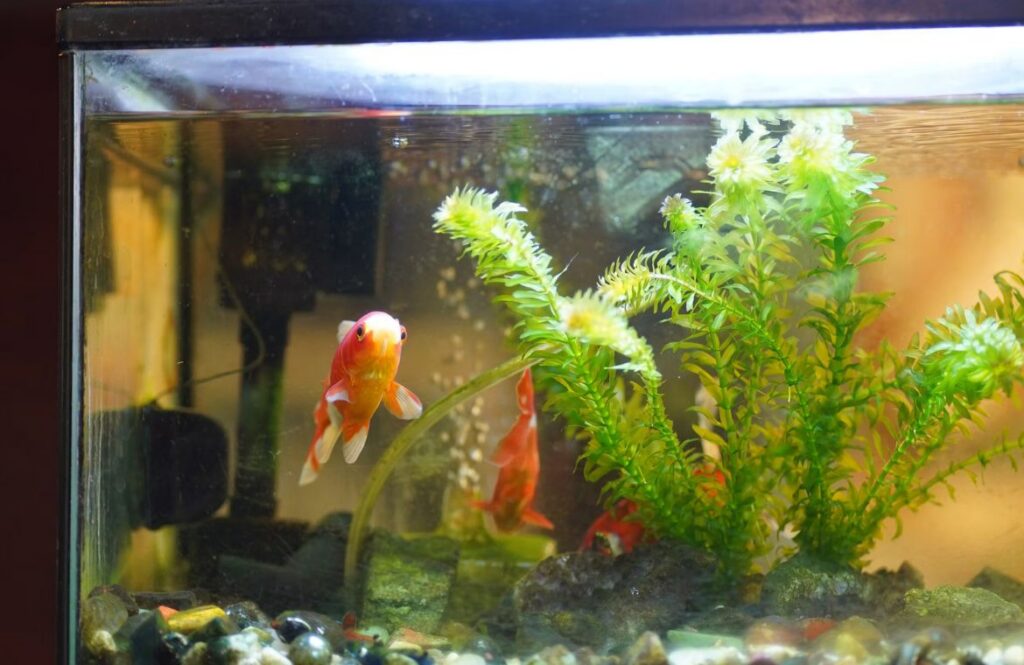
Of everything in an Auckland house move, the piano, the 65-inch TV, Nana’s china, the fish tank is the one that catches people out. It isn’t just glass. It’s a living system with a bacterial colony, a temperature it likes, and residents who can’t tell you they’re stressed until they’re floating. Knowing how to move a fish tank properly has far less to do with muscle than with sequence.
We shift tanks across Auckland most weeks, from 60-litre starters in Ponsonby apartments to six-foot cichlid setups in Flat Bush. The ones that go wrong fail the same three ways: the tank was lifted with water in it, the filter media dried out, or nobody planned where the fish would sit while the truck did two runs.
How to move a fish tank: the short version
- Stop feeding your fish 24 – 48 hours before the move. Less waste means cleaner transport water.
- Photograph the aquascape and label every cable before you touch anything.
- Siphon and save 60 – 80% of the tank water into clean sealed containers.
- Bag the fish last, in their own tank water: one-third water, two-thirds air.
- Keep the filter media submerged in tank water. Never rinse it, never let it dry.
- Empty the tank completely: water, substrate, rocks, the lot.
- Wrap it in bubble wrap and blankets, brace the inside, carry it upright and level.
- Fish travel with you, in the car footwell. Never in the moving truck.
- Set the tank up first at the new place, refill with saved water, start the filter, acclimatise slowly.
Allow a full day. Here’s the detail that makes each step actually work.
Never move a tank with anything in it
This is the most important line on the page, and the one people ignore, usually because the tank “only needs to go to the other end of the room”.
An aquarium is built to hold a heavy, evenly distributed static load on a flat surface. The base pane and silicone seams do exactly that one job. Lift it with water or substrate inside and the load stops being even: the frame flexes, the seams twist, and the base takes a point load it was never designed for. Often the tank survives the lift and the seam lets go three weeks later, at 2am, all over your new carpet.
The weight settles the argument anyway. One litre of water weighs one kilogram.
| Tank size | Empty glass | Water | Filled, with substrate |
|---|---|---|---|
| 60 L (2 ft) | ~12 kg | 60 kg | ~85 kg |
| 100 L (3 ft) | ~20 kg | 100 kg | ~145 kg |
| 200 L (4 ft) | ~40 kg | 200 kg | ~280 kg |
| 400 L (6 ft) | ~80 kg | 400 kg | ~550 kg |
Approximate; varies with glass thickness and substrate depth. A filled four-footer outweighs three grown adults. Nobody is carrying that down the stairs of a Grey Lynn villa. Acrylic is worse, not better: lighter, but it flexes and scratches if you look at it wrong.
Two weeks out: build your fish-moving kit
Buy this before moving week, not the morning of. Most of it is at Hollywood Fish Farm in Mt Roskill or Albany, or at Animates; the storage gear is a Bunnings or Mitre 10 run.
- Two to four clean food-grade buckets with sealing lids for saved tank water. Never one that’s held detergent.
- Fish transport bags (your aquarium shop will usually hand you a few) or clean lidded containers.
- A chilly bin. The best fish transport container in New Zealand, already in your garage: holds temperature, blocks light, stops bags tipping.
- A battery air pump if the trip runs over an hour or you’re leaving the region.
- A siphon or gravel vacuum, and a fishnet.
- Small sealable containers for substrate: several, not one back-breaker.
- Water conditioner that handles chlorine and chloramine. Watercare chlorinates and fluoridates Auckland’s town supply, so untreated tap water will hurt your fish and your filter bacteria.
- A liquid test kit for ammonia, nitrite and nitrate.
- Bubble wrap, moving blankets, tape and a marker. Or skip the shopping trip and let our Auckland packing service wrap the tank and cabinet for you.
- Polystyrene sheet or a levelling mat for under the tank at the new place.
The week before: prep the tank and the fish
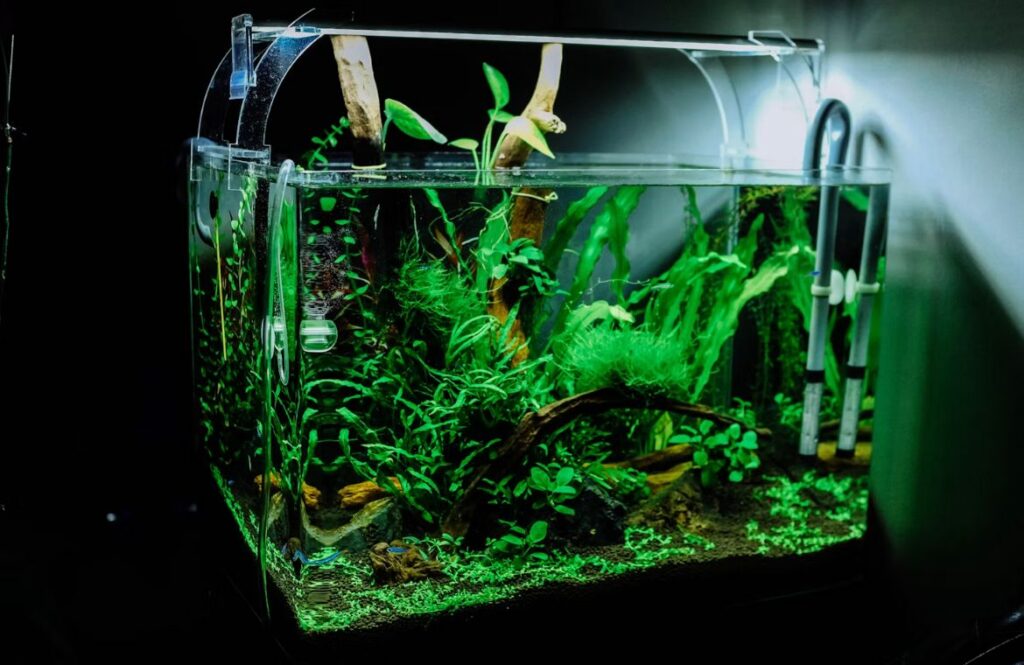
Change some water, but don’t deep clean. A 25% change a few days out keeps things stable. What you must not do is scrub the tank, rinse the filter or swap the media. That’s where your nitrifying bacteria live, and they’re about to have a hard week.
Stop feeding 24 – 48 hours out. Fed fish produce waste in the bag and ammonia climbs, and that’s what actually kills fish on moving day, not the drive.
Photograph and label. The aquascape, the plumbing, the back of the cabinet. Masking tape on every cable: heater, filter, light, air pump. Test your water and note the readings so you’ve got a baseline for afterwards.
Tell your movers. Tank dimensions, glass or acrylic, cabinet separate or not: it changes how we load. Worth pencilling into your Auckland moving checklist at the two-week mark.
Moving day, step by step
1. Save the water, and the bacteria
Siphon 60 – 80% of the tank water into your clean containers. Established water is stable, and reusing it takes most of the shock out of the move. Fill to the brim and seal so it can’t slosh.
2. Bag the fish, and do it last
Fish come out at the very end. Net them gently into bags of existing tank water: one-third water, two-thirds air, then twist and tie. Bag aggressive or spiny fish individually. Stand the bags upright in the chilly bin, wedged with towels, lid down.
3. Keep the filter media wet: the step everyone skips
Your sponges and ceramic media hold the bacterial colony that turns fish waste into something harmless. Those bacteria are aerobic and they die when they dry out. Pull the media straight from the filter into a sealed container of tank water and get it back into a running filter the same day. Never rinse it under the tap. Chlorinated water wipes out the colony in minutes.
4. Plants, hardscape and substrate
Live plants go into tank water with some air space, or wrapped in wet newspaper and bagged. Rinse decorations in tank water only, never detergent. Scoop substrate into small sealed containers and keep it damp, which preserves some bacteria too.
5. Drain and dry
Every last drop. Residual water is hidden weight and makes the glass slippery to grip.
6. Pack it like glass, because it is
Bubble wrap the lid separately. Two layers around the tank, corners especially, then a moving blanket over the top. Pack the inside with towels so the panes are braced from within. An empty glass box flexes more easily than you’d think. Original box if you have it; otherwise mark the crate GLASS AQUARIUM – THIS WAY UP – DO NOT STACK. Carry it upright and level, one person per end, hands under the base, never by the top rim.
7. Don’t forget the cabinet
Aquarium cabinets are heavy, usually chipboard, and full of doors that swing open on stairs. Empty it, tape the doors, wrap it. A big tank plus cabinet is often what customers book our single item moving service for.
Transporting fish across Auckland: what actually goes wrong
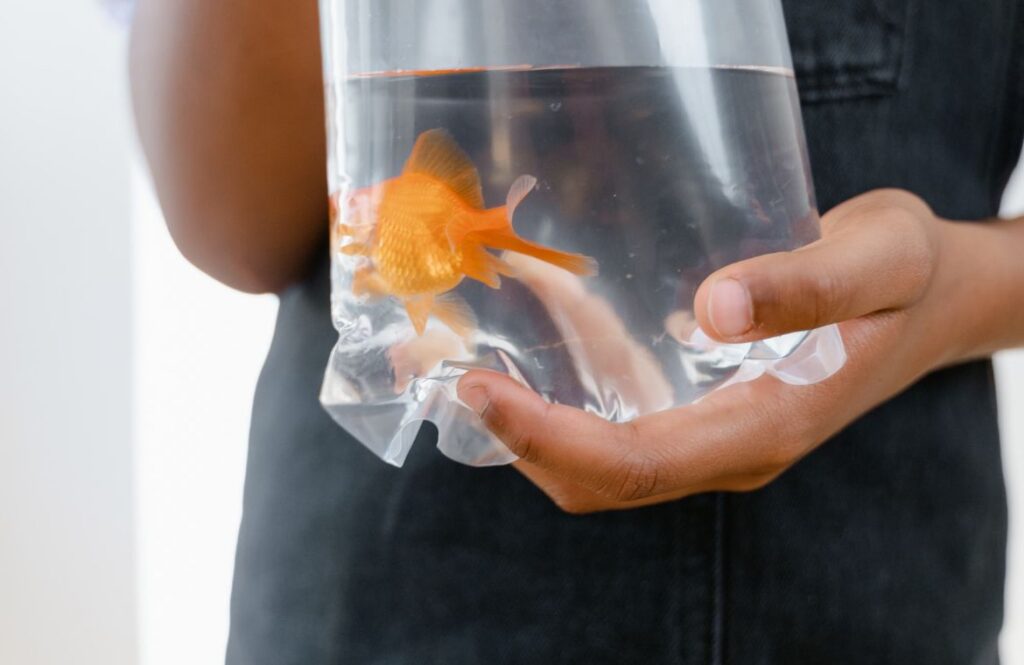
Fish ride with you. A truck deck is dark, hot in summer and full of things that shift. Bags belong in your car’s footwell, where the temperature is steady and nothing can roll.
Temperature is the real enemy. Most tropical community tanks sit at 24 – 26°C. A July morning in Auckland drops into single digits and a car boot holds that cold for hours; come February, a car parked in the sun climbs past anything a fish survives. The chilly bin buffers both. Don’t blast the aircon at the bags.
Time the run. Most cross-Auckland moves are under an hour of driving, comfortably within tolerance. What blows that out is the Harbour Bridge at 4pm or roadworks on the Southern. Move the fish between the two ends of the job, off-peak, never as the last errand of the day. If timing is the whole problem, a same-day move in one continuous run is easier on everyone.
Leave the bags alone. Don’t open them to check, don’t feed, don’t top up.
Will the movers take my fish tank?
Any professional crew will carry an empty, drained, properly packed aquarium and cabinet. That’s a normal fragile item, and we move them as part of standard house moving in Auckland.
What no removal company will take is live fish, or a tank with water in it. Live animals and open liquids are standard exclusions in removals contracts and transit cover across the industry, ours included. It isn’t fussiness: an unsecured 200 kg water load is dangerous in a moving truck, and no insurer writes cover for livestock in a furniture van. Plan for the fish to travel with you and the rest falls into place.
Two things that really help your crew: tell us the tank is coming (dimensions, glass or acrylic, empty on arrival or not), and flag the access. Stairs, tight corners and lifts change the plan for a large tank, so if you’re in a unit or high-rise, our Auckland apartment movers page covers lift bookings and stair carries.
Setting up at the new place
Pick the spot before the truck arrives. Interior wall, a floor that can carry the load (a filled four-footer on a suspended timber floor should sit across the joists, not along one), and no direct sun. New Zealand sun through a north-facing window cooks a tank and turns it into an algae farm. Keep it clear of heat pumps and out of the busiest doorway in the house.
Level it. Polystyrene sheet or levelling mat under the tank, spirit level in both directions, before a single litre goes in. An out-of-level tank is an uneven load, and we’re back to stressed seams.
Rebuild in order: substrate, hardscape, plants, then water, poured onto a plate so you don’t blast a crater in the gravel. Saved water first, then top up with conditioned tap water. Start the filter immediately with the original media; that colony is the whole point. Switch the heater on only once it’s fully submerged, and let the water reach temperature before the fish go near it.
Acclimatise slowly. Float the sealed bags for 15 – 20 minutes to equalise temperature, then add a splash of tank water to each bag every five minutes for another 20. Net the fish in and discard the transport water. Light off for the rest of the day, no food until morning.
The first fortnight: watch for a mini-cycle
Even a clean move disturbs the bacterial colony, so a small ammonia or nitrite spike in the first week or two is normal. Test daily for the first week and feed lightly: every second day is plenty. If ammonia or nitrite reads above zero, do a 20 – 25% water change with conditioned water and keep testing. No new fish, no new decor, until readings have been stable a fortnight. A few days of hiding is expected; a fish still not eating after a week is not.
Water, plants and fish you’re not taking: where NZ law bites
Downsizing during a move is common. Getting rid of the extras the wrong way is a real legal problem here, not just bad manners.
Never tip tank water, plants or fish into a stream, drain or stormwater grate. Auckland’s stormwater discharges to streams and the harbour, not to treatment. Plants like hornwort and fish like koi carp and gambusia are classed as pests in New Zealand, and they got into our waterways exactly this way.
Under the Biosecurity Act 1993, moving, releasing or breeding an unwanted organism carries penalties of up to $100,000 or five years’ imprisonment. Under the Conservation Act 1987, releasing aquatic life without a permit from the Minister of Conservation carries a fine of up to $5,000.
Instead: tip old tank water on the garden (it’s excellent fertiliser); bag unwanted plants, dry them out completely in the sun and bin them in general waste, not the green bin and not the compost; and rehome fish through an Auckland aquarium shop or the local fishkeeping community.
Moving out of Auckland with a fish tank
Anything over about two hours changes the plan. Use rigid lidded containers instead of bags, run a battery air pump, insulate everything in a chilly bin, and add a heat or cool pack depending on the season. For an overnight trip, ask your aquarium shop about boarding the fish and collecting them later. On a long South Island run that’s usually the kinder call. Either way, set the tank up the day you arrive. Our intercity moving service runs Auckland to anywhere in New Zealand, and we can schedule the truck around your tank rather than the other way round.
Frequently asked questions
Can you move a fish tank with water in it?
No. Even a move across a room should be done fully drained. Water is a shifting load and one litre weighs one kilogram, so the base pane and silicone seams take stress they were never designed for. Seams often fail days or weeks later rather than immediately, which is why people think they got away with it.
Can you move a fish tank with fish in it?
No. Fish travel separately, in bags or lidded containers of their own tank water. Moving them inside the tank exposes them to violent water movement and shifting substrate.
How long can fish stay in a bag or bucket?
Healthy, fasted fish in properly prepared bags are fine for several hours, more than enough for any cross-Auckland move. Past four to six hours, switch to rigid containers and add a battery air pump. Dark, cool and undisturbed extends that window considerably.
Do I have to take the gravel out?
Yes. Substrate is heavy, abrasive and it slides. Loose gravel moving against the base pane during a lift is a common cause of scratches and cracks. Keep it damp in sealed containers to preserve some bacteria.
Will I lose my filter bacteria?
Not if you keep the media submerged in tank water throughout and get the filter running the same day. Never rinse media in chlorinated tap water. Expect a small ammonia or nitrite spike in the first fortnight regardless.
How much does it cost to move a fish tank in Auckland?
As part of a full house move, an empty packed tank is just another fragile item, with no separate charge. Swift Movers is $110/hr for two movers and a truck plus a $50 callout, two hours minimum. Get a free quote and mention the tank size.
Should I feed my fish before moving day?
Stop 24 – 48 hours before. Fasted fish produce less waste in transit, which keeps ammonia down in the bag. A day or two without food is not a welfare issue for healthy adults.
Can I move a fish tank in a car?
Small empty tanks up to about 60 litres, yes, laid flat on a folded blanket in the boot and braced so they can’t slide. Anything bigger belongs in a truck, packed and secured upright. The fish always travel in the car.
Moving in Auckland? Let us take the heavy part
Swift Movers moves households across Auckland seven days a week, 7am to 7pm – North Shore, West Auckland, Central, East, South Auckland, the Hibiscus Coast, Rodney and Franklin.
You handle the fish. We’ll handle the tank, the cabinet and everything else in the house. Two movers and a truck at $110/hr, $50 flat callout, 2 hours minimum.